

Understanding Gym Equipment Basics
Walking into a gym for the first time can feel overwhelming. Rows of machines, racks of weights, and people moving with confidence — it is easy to wonder where to even begin. The good news is that you do not need to master every piece of equipment on day one. A handful of fundamental tools can give you an effective, full-body workout that builds strength, improves endurance, and keeps you safe.
This guide breaks down the essential gym equipment every beginner should know, explains what each piece does, and highlights which items you can safely skip until you have more experience. By the end, you will have a clear picture of what to reach for during your first few weeks at the gym.
The Essential Equipment Every Beginner Needs
Dumbbells
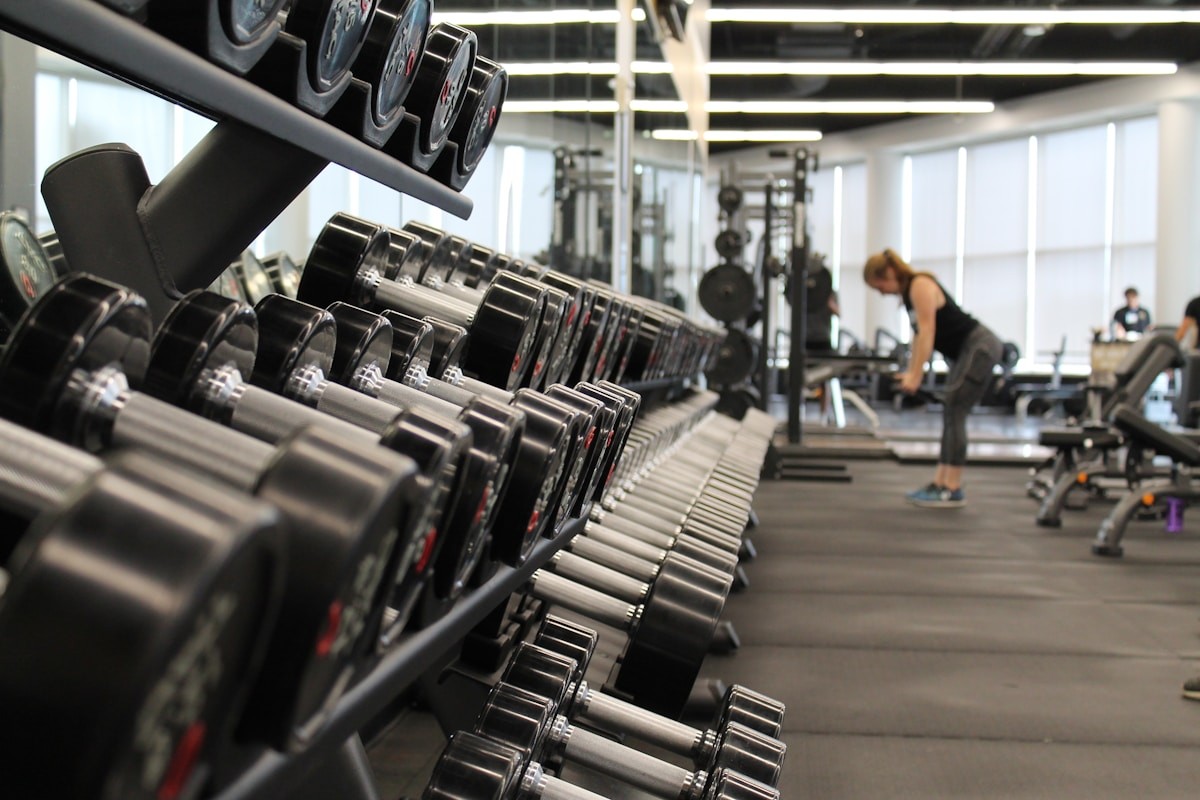
Dumbbells are the most versatile piece of equipment in any gym. They allow for a full range of motion, work stabilizer muscles that machines miss, and come in weights ranging from 2 to 150+ pounds. For beginners, a set of light to moderate dumbbells (5 to 25 pounds) covers most exercises — bicep curls, shoulder presses, goblet squats, lunges, and rows. Start light, focus on form, and increase weight gradually as your strength improves.
Barbell and Weight Plates
The barbell is the foundation of compound lifting. Exercises like squats, deadlifts, bench presses, and overhead presses work multiple muscle groups at once, making them incredibly efficient for building strength and muscle. A standard Olympic barbell weighs 45 pounds, which may feel heavy at first — that is perfectly normal. Many gyms have lighter training bars (15 to 35 pounds) that are ideal for beginners. Always use collars to secure the plates and never lift without a spotter or safety pins when attempting heavy loads.
Resistance Bands
Resistance bands are one of the most underrated tools in the gym. They are inexpensive, portable, and excellent for warming up, adding resistance to bodyweight exercises, and assisting with pull-ups. Bands come in different resistance levels — light, medium, heavy, and extra heavy. Beginners can use them for banded squats, lateral walks, pull-aparts, and assisted stretches. They are also fantastic for rehabilitation and mobility work.
Cable Machine
The cable machine uses adjustable pulleys and weight stacks to provide constant tension throughout an exercise's full range of motion. Unlike free weights, cables keep resistance consistent whether you are at the top or bottom of a movement. This makes them especially useful for isolation exercises like tricep pushdowns, cable flyes, face pulls, and lateral raises. Most gyms have at least one dual-cable station. Start with light weight and focus on slow, controlled movements.
Cardio Equipment for a Complete Workout
Treadmill
The treadmill is the most popular cardio machine for good reason — walking and running are natural movements that require minimal coordination. For beginners, start with brisk walking at 3 to 4 mph at a slight incline of 1 to 3 percent. This elevates your heart rate without the joint impact of running. As your cardiovascular fitness improves, gradually introduce short running intervals. Aim for 15 to 20 minutes of treadmill work after your strength training or on separate cardio days.
Stationary Bike
The stationary bike is a low-impact alternative that is gentle on the knees, hips, and lower back. It is an excellent choice for beginners who are overweight, recovering from injury, or simply prefer seated cardio. Adjust the seat height so your knee has a slight bend at the bottom of the pedal stroke. Start with 10 to 15 minutes at a moderate resistance and build from there. Many bikes have pre-programmed interval workouts that add variety.
Rowing Machine
The rowing machine delivers a full-body cardio workout, engaging your legs, core, back, and arms in a single movement. Proper form is critical — drive with your legs first, then lean back slightly, and finally pull the handle to your lower chest. The sequence reverses on the recovery. Beginners should start with 5 to 10 minutes at a steady pace, focusing on technique over speed. Check out the exercise library for detailed form guides on rowing and other movements.
Equipment You Can Skip as a Beginner
Not every machine deserves your attention during the first few months. Smith machines, while seemingly safer, lock you into a fixed bar path that does not match natural movement patterns — stick with free weights instead. Leg press machines can wait until you have built a solid foundation with bodyweight squats and goblet squats. Pec deck and other highly specialized isolation machines target single muscles and are unnecessary when you are still building overall strength. Focus on compound movements with free weights and cables for the first 8 to 12 weeks, then gradually add machines as you identify specific areas you want to target.
How to Use Gym Equipment Safely
Safety should always come first. Before using any equipment, take 30 seconds to inspect it — check that pins are fully seated, cables are not frayed, and weight plates are secure. Start every session with a 5 to 10 minute warm-up using light cardio and dynamic stretches. When trying a new exercise, use the lightest weight possible and perform the movement slowly to learn the pattern. Never sacrifice form for more weight. If you are unsure how a machine works, look for the instructional diagram usually printed on the frame, watch a quick video on your phone, or ask a staff member. Most gyms offer a free introductory session with a trainer — take advantage of it.
Building Your First Workout Routine
With the right equipment, building a beginner routine is straightforward. A simple full-body workout performed 2 to 3 times per week is ideal for the first 2 to 3 months. Here is a sample routine using the equipment covered in this guide:
Goblet Squats (dumbbell) — 3 sets of 10 to 12 reps
Dumbbell Bench Press — 3 sets of 8 to 10 reps
Seated Cable Row — 3 sets of 10 to 12 reps
Dumbbell Shoulder Press — 3 sets of 8 to 10 reps
Plank — 3 sets of 20 to 30 seconds
Finish with 15 minutes of treadmill walking or stationary biking. Rest 60 to 90 seconds between sets. As you get stronger, explore the workout plans section for structured programs that match your goals.
Final Thoughts
Starting your fitness journey does not require knowing every machine or lifting heavy from day one. A pair of dumbbells, a barbell, resistance bands, and a cable machine give you everything needed for a complete, effective workout. Add some cardio from a treadmill, bike, or rower and you have a balanced routine that builds strength, burns calories, and improves your health. Be patient with yourself, stay consistent, and remember that every experienced lifter in the gym was once a beginner too.