

Why Starting Is the Hardest Part (and How to Get Past It)
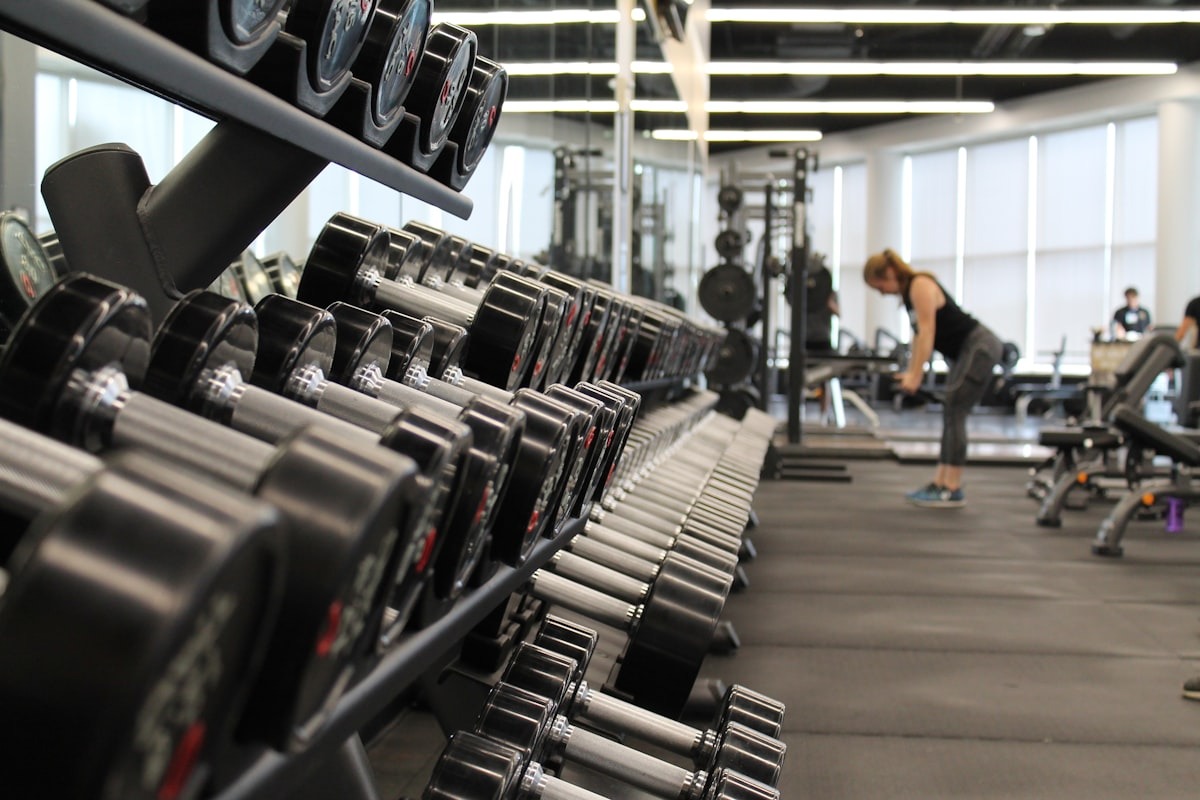
Walking into a gym for the first time can feel intimidating. Rows of unfamiliar machines, people who seem to know exactly what they're doing, and the constant clanking of weights can make anyone feel out of place. But here's the truth: every single person in that gym had a first day too.
This guide will walk you through everything you need to know — from what to pack in your gym bag to how to structure your first workout — so you can walk in with confidence and start building a habit that sticks.
Gym Anxiety Is Normal
Gym anxiety, sometimes called "gymtimidation," is completely normal. A survey by Fitness First found that over 60% of gym-goers felt nervous when they first started. The key is to remember that most people at the gym are focused on their own workout, not on judging you.
Here are three practical ways to ease those first-day jitters:
Go during off-peak hours. Mid-morning or early afternoon on weekdays tends to be quieter. You'll have more space to explore equipment without feeling rushed.
Bring a plan. Walking in with a specific workout written down gives you purpose. You won't stand around wondering what to do next.
Book an induction session. Most gyms offer a free orientation where a staff member shows you how to use the equipment safely. This is worth its weight in gold.
Set Realistic Expectations
Your first session isn't about breaking records. It's about learning the layout, testing a few machines, and leaving with a sense of accomplishment. Aim for 30–45 minutes and treat it as a reconnaissance mission rather than a hard workout.
What to Bring on Your First Day
Packing the right gear removes one more thing to worry about. Here's your checklist:
Essential Items
Comfortable workout clothes. Moisture-wicking fabric like polyester or nylon blends beats cotton, which soaks up sweat and gets heavy. A t-shirt and shorts or joggers are perfect.
Supportive trainers. Flat-soled shoes like Converse work well for weightlifting, while cushioned running shoes are better for cardio. For your first day, any comfortable athletic shoe will do.
A water bottle. Staying hydrated improves performance and prevents headaches. Most gyms have water fountains for refills.
A towel. Many gyms require you to wipe down equipment after use. A small gym towel does the job.
A lock. If the gym has lockers, bring a combination lock to secure your belongings. Don't leave valuables in the car.
Optional but Useful
Headphones. Your own music or podcast helps you stay in the zone and tune out distractions.
A notebook or phone app. Tracking what you do — exercises, weights, reps — helps you see progress and plan your next session.
A pre-workout snack. A banana or rice cake 30–60 minutes before training gives you energy without weighing you down.
Understanding Gym Etiquette
Good gym etiquette isn't about complicated rules. It's about being considerate of the shared space.
The Unwritten Rules
Wipe down equipment after use. Most gyms provide spray bottles and paper towels. A quick wipe takes seconds and shows respect for the next person.
Put your weights back. Re-racking dumbbells and plates keeps the floor safe and organized. If you can lift it, you can put it back.
Don't hog equipment. If the gym is busy, avoid scrolling on your phone between sets. Let others work in if you're resting.
Respect personal space. Give people room to move, especially when they're lifting heavy. Don't walk directly in front of someone mid-set.
Keep noise reasonable. Grunting on a max-effort lift is one thing. Slamming weights or shouting across the gym is another.
Asking for Help
If you don't know how to use a machine, ask a staff member. They'd rather spend two minutes showing you than have you hurt yourself. Most experienced lifters are also happy to offer quick tips if you ask politely between their sets.
Your First Workout: A Simple Routine
This beginner-friendly full-body routine uses machines, which are easier to learn than free weights and reduce injury risk. Perform it twice a week for the first two weeks, with at least one rest day between sessions.
Warm-Up (5 Minutes)
3 minutes of light cardio — treadmill walking at an incline, stationary bike, or elliptical
10 bodyweight squats
10 arm circles forward and backward
The Workout
Leg Press Machine — 2 sets of 10–12 reps, 60 seconds rest
Seated Chest Press Machine — 2 sets of 10–12 reps, 60 seconds rest
Seated Row Machine — 2 sets of 10–12 reps, 60 seconds rest
Shoulder Press Machine — 2 sets of 10–12 reps, 60 seconds rest
Leg Curl Machine — 2 sets of 10–12 reps, 60 seconds rest
Plank Hold — 2 sets of 20–30 seconds, 45 seconds rest
For each exercise, choose a weight where the last two reps feel challenging but you can still maintain good form. If you can easily do more than 12 reps, increase the weight slightly next time.
Cool-Down (5 Minutes)
2 minutes of light walking
Quad stretch — 30 seconds per leg
Hamstring stretch — 30 seconds per leg
Chest stretch in doorway — 30 seconds
How to Progress Safely
Consistency beats intensity, especially at the start. Here's a roadmap for your first month:
Weeks 1–2: Learn the Movements
Stick to the machines. Focus on controlled tempo — 2 seconds up, 2 seconds down. This builds mind-muscle connection and reduces injury risk. Two sessions per week is plenty.
Weeks 3–4: Add Free Weights
Introduce dumbbell exercises one at a time. Start with goblet squats — holding one dumbbell at your chest — and dumbbell bench press. Free weights engage stabilizer muscles that machines don't.
Week 5 and Beyond: Increase Volume
Once you're comfortable with the basic movements, add a third weekly session. You can split your routine into upper-body and lower-body days, or stick with full-body workouts — both work well for beginners.
For more structured progression, check out our workout plans page where you'll find beginner-friendly programs designed by certified trainers.
Common Beginner Mistakes to Avoid
Learning from other people's mistakes saves you time and frustration.
Doing Too Much Too Soon
The number-one mistake beginners make is going from zero to five days a week. Your muscles, joints, and nervous system need time to adapt. Start with two sessions a week and add a third only when those two feel easy.
Comparing Yourself to Others
The person benching 225 pounds has probably been training for years. Your only competition is who you were yesterday. Track your own progress in a notebook and celebrate small wins — an extra rep, a slightly heavier weight, or simply showing up when you didn't feel like it.
Skipping the Warm-Up
Jumping straight into heavy sets with cold muscles invites injury. A proper warm-up raises your core temperature, increases blood flow to working muscles, and prepares your nervous system for the work ahead.
Neglecting Nutrition and Hydration
You can't out-train a poor diet. Focus on eating enough protein — roughly 1.6 grams per kilogram of body weight — to support muscle repair, and drink water throughout the day — not just during your workout.
Building Consistency That Lasts
Motivation gets you started. Habits keep you going. Here's how to build a gym habit that sticks:
Schedule It Like an Appointment
Put your gym sessions on your calendar. Treat them as non-negotiable commitments, the same way you'd treat a doctor's appointment or a work meeting.
The Two-Day Rule
Never go more than two days without some form of exercise. Even a 15-minute walk or a few sets of bodyweight squats at home keeps the momentum alive.
Find Your Why
Dig deeper than "I want to look better." Maybe you want more energy to play with your kids, better mental health, or the confidence that comes from doing hard things. Write your reason down and revisit it on days when motivation fades.
Track Everything
What gets measured gets managed. Write down every exercise, weight, and rep. Looking back at a notebook full of progress is incredibly motivating — and it gives you objective data to guide your next workout.
Starting the gym is one of the best investments you can make in yourself. Take it one session at a time, focus on showing up consistently, and trust the process. Before you know it, you'll be the confident regular that beginners look up to.